
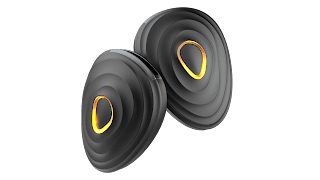

Here are four practical reasons why running with a power meter like Stryd, Garmin or Coros is the superior method.
1. Instant Feedback: No More Lag
Imagine pressing the gas pedal in your car. Do you want to know your speed immediately, or three minutes later? That’s the difference between power and heart rate. Heart Rate (HR) is slow; it takes a long time (minutes!) for your heart to catch up to a fast change in effort, making it useless for quick, intense bursts like short sprints or hill intervals. Pace, measured by GPS, can jump all over the place if you run under trees or near tall buildings.
In contrast, running power is an instantaneous measurement of the energy you’re producing. The moment you push harder, the number of Watts goes up. This immediate feedback ensures you hit your target intensity perfectly every time, preventing you from overshooting an interval or jogging too slowly on an easy section.
2. The Effort Dial Stays Locked: Ignoring Hills and Wind
The biggest frustration with pace and HR is that they lie to you when the world isn’t flat and still. If you hit a steep hill, your pace drops, but your heart rate spikes—you have no consistent way to gauge your true effort.
Power solves this by accounting for those external variables. It acts as an “effort dial” that stays constant. If you maintain
3. Accurate Tracking of Total Fatigue
How do you know if today’s
Power-based systems calculate a Training Stress Score (TSS) based on the actual work you performed. Since power accurately measures the absolute energy expenditure, the TSS is a much more reliable number to track how much fatigue you built up. This clear score helps you and your coach confidently plan recovery days and prevent burnout, ensuring you come into your next big race feeling fresh, not drained.
4. Race Day Pacing Precision
The easiest way to ruin a race is to start too fast. In endurance events, adrenaline often suppresses your heart rate early on, fooling you into thinking you’re cruising when you’re actually burning through your fuel too quickly.
Power is your best friend for pacing. By setting a sustainable target power (based on your max sustainable effort number), you get one simple number to focus on from start to finish. This prevents you from overdoing it on downhills and ensures you maintain maximum effort uphill, guaranteeing you run the most consistent and efficient race possible. You save yourself from the dreaded “wall” late in the race.
Ready to achieve your personal best, guided by a coach who understands running from the inside out? Hire Coach Burger , an elite private running coach and retired Doctor of Chiropractic, who combines championship-level training with a professional mastery of human biomechanics.
Coach Burger brings an unparalleled understanding of functional movement and injury prevention to every session. This clinical approach ensures that not only do you train harder, but you train smarter and safer. Coach Burger’s core coaching philosophy is that most runners run too hard on their easy days and too easy on their hard days, ultimately failing to maximize their potential.
This strategic and biomechanically sound methodology yields exceptional results across all disciplines: Coach Burger’s athletes include twelve State Champion hurdlers, a State Champion 4x800m Relay Team, and eleven All-State distance runners (XC, 1600m, 3200m) as well as recreational runners from the 5k to the marathon. Whether you are targeting a marathon, improving track speed, or seeking an injury-proof running career, choose the coach with the clinical expertise to build you into a true champion.
You can reach Coach Burger at [email protected]. Look for his website runnersedgecoaching.com to launch soon.